
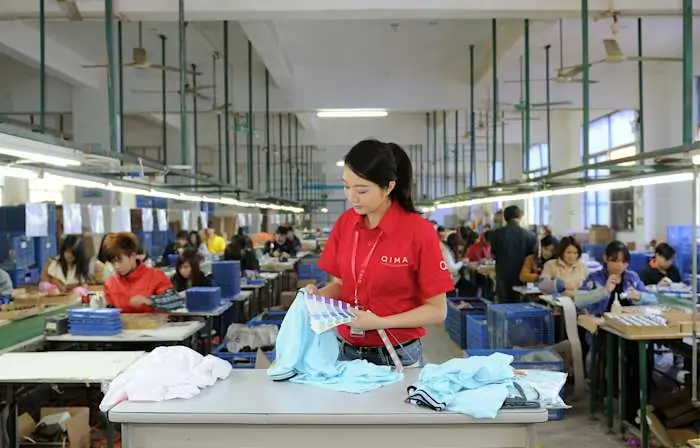
How to choose a reliable 2026 World Cup jersey wholesale supplier is one of the most important questions for resellers, teamwear stores, event sellers, and online jersey businesses preparing for tournament demand. A good supplier does more than offer low prices. The right partner helps you manage product quality, size consistency, patch options, delivery timing, communication, and after-sales risk.
Many buyers make the mistake of focusing only on unit cost. That usually creates bigger problems later. Late shipments, wrong sizing, weak fabric, poor print quality, and missing inventory can quickly damage profit and customer trust. A reliable supplier should help you sell with confidence, not create more work after the order is placed.
This guide explains what to check before choosing a supplier, what warning signs to avoid, and how to compare wholesale partners in a practical and objective way.
A World Cup creates a very different market compared with normal football seasons. Demand rises quickly. Popular national teams sell faster. Customers ask more questions about sizes, namesets, sleeve patches, and delivery times. Small supplier weaknesses become major problems during peak season.
That is why supplier selection should be based on stability and process, not just attractive product photos.
A reliable 2026 World Cup jersey wholesale supplier should help you solve five business problems:
If a supplier is weak in two or three of these areas, the cheapest price will not save the order.
Before you compare fabrics or prices, understand what kind of supplier you are dealing with. Not every wholesale seller operates in the same way.
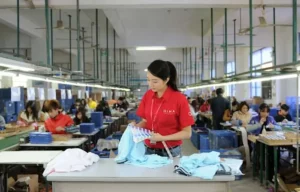
A factory-direct supplier may offer better pricing, more customization flexibility, and stronger control over production. This model can work well for larger buyers, but it often requires higher MOQs and more planning.
A trading company may not manufacture every jersey itself, but it can offer broader selection, mixed team orders, and easier communication. This can be useful if you want multiple national teams in one shipment.
Some suppliers mainly sell ready stock. This is often helpful for fast-moving tournament orders, especially when you need quick replenishment instead of long production timelines.
The key is not which model sounds best on paper. The key is whether the supplier is honest about its role, lead time, and stock control.
Many buyers say they want “high quality,” but do not define what that means. That leads to confusion and disputes. A reliable supplier should be able to explain quality in specific terms.
For World Cup jerseys, buyers usually care about:
A good supplier should clearly describe whether the jersey is lightweight, standard, or thicker retail-style fabric. If the seller only says “top quality” without details, that is not enough.
A reseller preparing for summer demand in Southern Europe may prefer lighter, more breathable jerseys. A seller targeting collectors may care more about visual finish and badge presentation. Good suppliers understand the difference and recommend accordingly.
Namesets, numbers, and sleeve patches are common complaint points. Ask the supplier:
Reliable suppliers should show clear product details, not only front-facing studio photos.
Good finishing is one of the fastest ways to judge supplier quality. Look for:
These details matter because customers notice them quickly after unboxing.
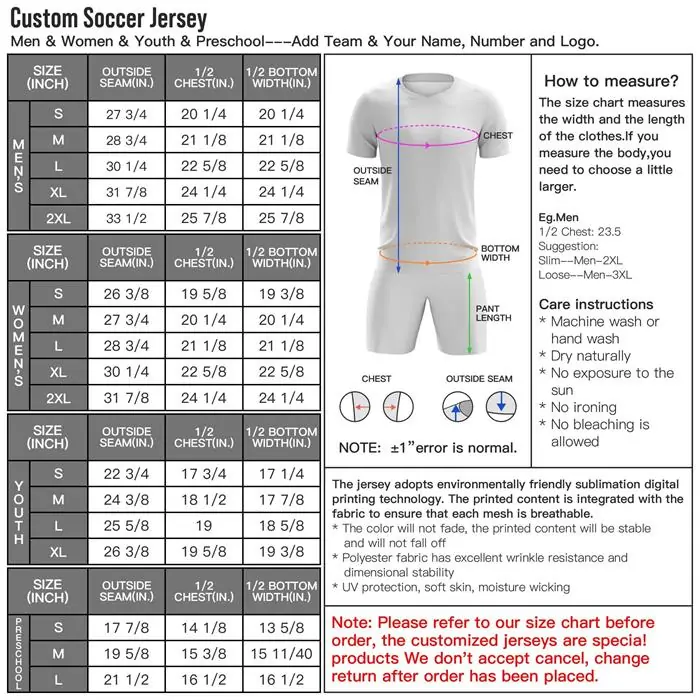
One of the biggest wholesale problems is inconsistent sizing across different batches or team styles. A supplier may provide a size chart, but that alone is not enough.
Ask these questions:
During tournament season, returns and complaints often come from size mismatch, not color issues. A supplier with stable size grading helps reduce refund pressure and customer dissatisfaction.
Before placing a large order, ask for:
A reliable 2026 World Cup jersey wholesale supplier should not avoid these requests.
World Cup demand is rarely about one team only. Popular buyers often want a mixed order that includes strong-seller teams and a few long-tail teams.
For example, a reseller may want:
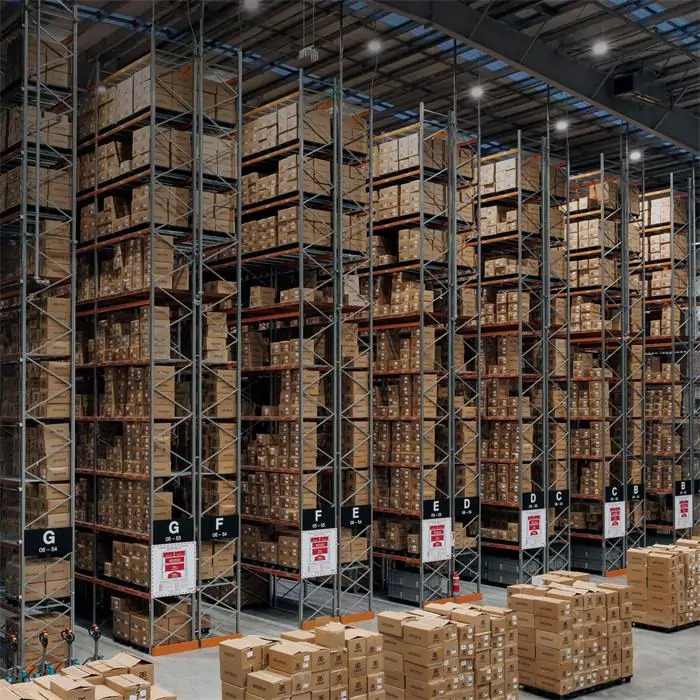
A useful supplier should tell you which teams are fast-moving, which are made to order, and which may face slower replenishment.
Honest stock management is a strong sign of reliability.
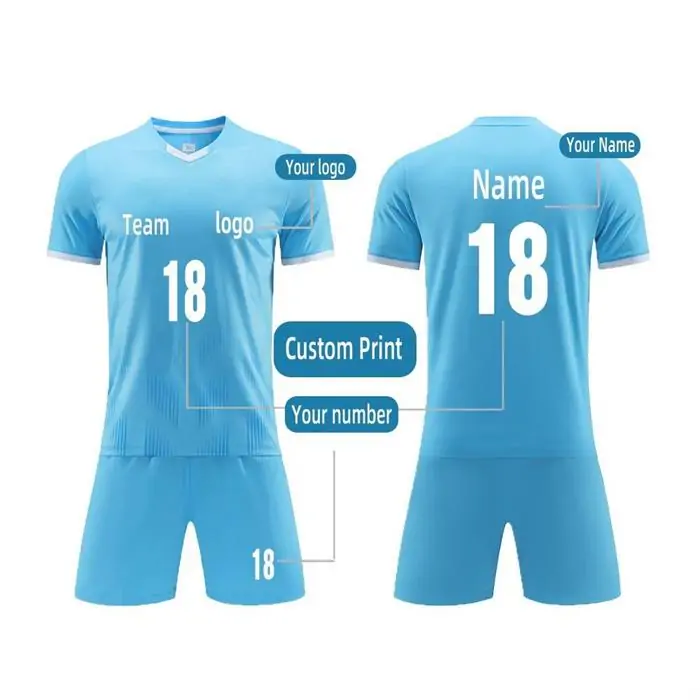
World Cup buyers often want more than plain jerseys. They may ask for:
A reliable supplier should explain exactly what is possible.
Before ordering, ask for:
This matters because custom orders usually move slower and may be harder to replace if there is an error.
A jersey that arrives too late is often no better than no jersey at all. During a World Cup cycle, timing is part of product quality.
Many buyers only ask, “How much is shipping?” A better question is:
These questions matter far more than finding the lowest shipping quote.
A supplier offering a slightly higher shipping cost but better route stability may be the safer choice for tournament sales. Fast turnover depends on delivery certainty.
Reliable suppliers do not only talk about success. They also explain what happens when something goes wrong.
Ask clearly:
A trustworthy supplier should have a written policy, even if it is brief.
One of the easiest ways to judge a supplier is to watch how they communicate before you pay.
A supplier who communicates poorly before payment often creates bigger problems after payment.
This is one of the smartest ways to reduce wholesale risk.
A trial order helps you check:
Even if your final goal is a large World Cup order, a sample order gives you real information that product photos cannot provide.
Start with:
This gives you a better view of both product quality and operational discipline.
This is often overlooked. World Cup-related products may involve team crests, federation branding, player names, tournament references, and design elements that can raise licensing and intellectual property issues.
A reliable supplier should be careful and realistic in how they describe products. If a seller makes exaggerated claims or uses official tournament branding carelessly, that is a risk signal.
Good suppliers usually avoid reckless wording.
Instead of choosing by feeling, use a practical scorecard.
Give each supplier a score from 1 to 5 on:
This helps you compare suppliers more objectively.
Supplier A may be cheaper, but weak on communication and shipping.
Supplier B may be slightly more expensive, but strong on consistency and support.
During peak season, Supplier B is often the safer long-term choice.
Low prices can be attractive, but they often hide weaker fabric, poor print quality, or unstable supply.
Large first orders increase risk. Test first, scale second.
A clean-looking product photo does not prove size consistency.
That is rarely true during tournament demand peaks.
A supplier without a clear response plan can create serious losses if shipping problems happen.
At the end of the day, a reliable supplier is not defined by flashy marketing. A reliable supplier is one that can deliver stable results under pressure.
Look for a partner that offers:
That combination is far more valuable than a small price difference.
Choosing a reliable 2026 World Cup jersey wholesale supplier is really about reducing risk before demand peaks. The best supplier is not just the one with attractive catalog photos or a low unit price. The best supplier is the one that can consistently support your business when orders increase, stock becomes tighter, and customers expect faster answers.
Focus on the fundamentals: quality, sizing, stock transparency, customization accuracy, shipping stability, and after-sales responsibility. Ask direct questions. Request samples. Compare suppliers with a scorecard. That process will help you make a smarter decision and build a stronger jersey business for the 2026 World Cup cycle.
More details:
National Team Jerseys Wholesale for World Cup 2026: Cheap Prices, Quality Kits, and Safe Delivery
Canada 2026 World Cup Jersey Wholesale: Host Nation Kits for Bulk Orders
Bulk Buying National Team Jerseys for World Cup 2026: MOQ, Sizes, Patches and Delivery