
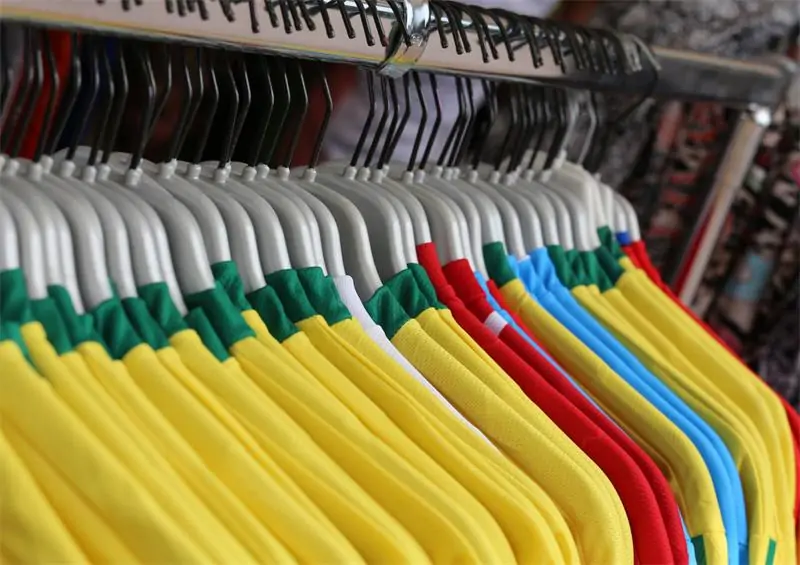
2026 National Team Jerseys are becoming a smart wholesale choice for football retailers because the next global football cycle creates a clear sales opportunity: more teams, more matches, more host cities, and more fan attention. The 2026 tournament will be hosted across Canada, Mexico, and the United States, and it will be the first edition with 48 teams. FIFA’s official schedule also lists 104 matches, giving retailers a longer and wider selling window than previous tournaments.
For football retailers, this matters. National team jerseys are not only match-day products. They are also fan identity products. Buyers wear them for games, watch parties, social media posts, local football events, school teams, pub gatherings, and casual streetwear. That gives retailers more chances to sell before, during, and after the tournament.
A smart wholesale plan should not focus only on stocking as many jerseys as possible. It should focus on the right teams, the right sizes, the right quality level, the right delivery schedule, and the right compliance checks.
The 2026 football calendar gives retailers a strong reason to prepare early. The tournament runs from June 11 to July 19, 2026, with matches staged across 16 host cities in North America.
That means demand may not come from one country or one fan base only. Retailers can expect interest from local fans, international supporters, tourists, expatriate communities, collectors, and casual buyers who only shop during major football events.
The expansion to 48 teams changes the wholesale logic. More national teams means more fan groups and more product angles.
Retailers can build collections around:
This helps retailers avoid relying on only one or two famous teams. A wider catalog can capture more search traffic and more buyer intent.
A 104-match schedule gives retailers more selling moments. Fans do not only buy jerseys before the opening match. They often buy when:
Retailers who prepare inventory early can respond faster when attention suddenly shifts toward a specific team.
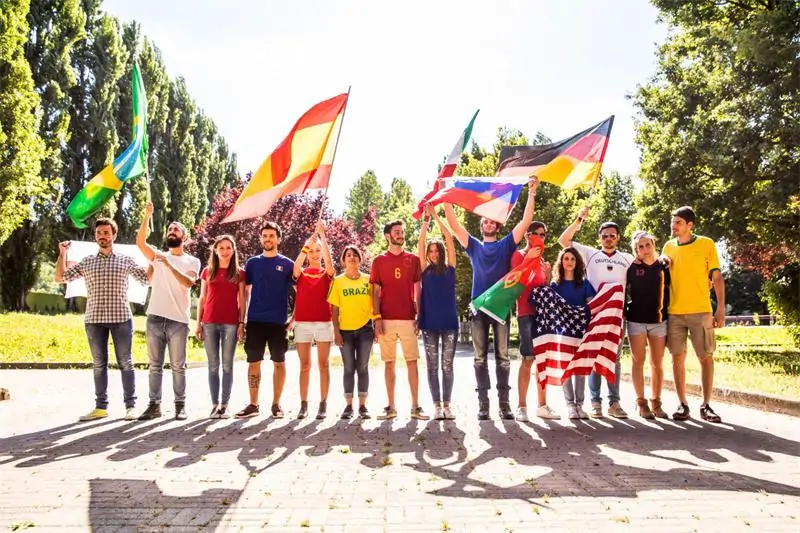
National team jerseys are different from regular club jerseys. Club jerseys sell through a season. National team jerseys often spike around tournaments, qualification news, patriotic moments, and international match days.
A national team jersey represents identity. Fans wear it to show support for their country, family background, favorite player, or football culture.
That emotional value helps retailers sell to different types of buyers:
This makes 2026 National Team Jerseys attractive for both online shops and offline retailers.
Retailers can sell national team jerseys through:
The product is visual, easy to explain, and easy to bundle. A retailer can create offers around home jerseys, away jerseys, goalkeeper kits, patches, shorts, socks, and youth sizes.
Not every jersey should be stocked in the same quantity. A smart retailer should separate inventory into core stock, test stock, and trend stock.
Core stock should include teams with stable demand. These usually include famous national teams, host nations, and teams with large global followings.
Core stock may include:
Core stock is suitable for larger quantities because demand is more predictable.
Test stock is for teams with potential but less predictable demand. Retailers can order smaller quantities first and then reorder if sales improve.
This is useful for:
Test stock helps reduce inventory risk.
Trend stock changes quickly. It depends on match results, viral moments, player performance, and social media attention.
Retailers should not overstock trend products too early. Instead, they should work with suppliers who can restock quickly.
A good jersey wholesale order is not only about team selection. Size planning is just as important.
Retailers often make the mistake of ordering too many large sizes or too few youth sizes. The right size mix depends on the target market.
For adult jerseys, retailers should usually prepare a balanced size range:
If the store targets North America or Europe, larger sizes may sell better. If the store targets younger online shoppers, M and L may move faster.
Major tournaments are family events. Parents often buy jerseys for children before watch parties, school activities, and local football events.
Youth jerseys can also improve average order value when sold as family sets.
Example bundle:
This type of bundle helps retailers increase order value without forcing buyers to choose unrelated products.
Retailers should not buy based only on price. Poor-quality jerseys can lead to returns, complaints, bad reviews, and low repeat purchase rates.
Buyers usually care about whether the jersey feels light, breathable, and comfortable. The fabric should be suitable for warm weather because the 2026 tournament takes place in summer.
Retailers should check:
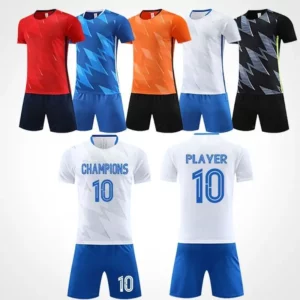
Customization is a strong selling point. Many buyers want names, numbers, tournament patches, or special sleeve details.
Retailers should check whether the supplier can provide:
A jersey with poor print alignment looks cheap. A jersey with clean printing feels more professional.
Football retailers must be careful with official marks, logos, and tournament-related branding. FIFA states that it holds rights connected to the FIFA World Cup 26, including intellectual property, media, marketing, licensing, ticketing, and other commercial rights. FIFA also explains that brand assets such as logos, words, titles, and symbols are protected and licensed for approved use.
For retailers, this means one thing: do not assume every supplier is allowed to produce or sell official tournament merchandise.
Before placing bulk orders, ask the supplier:
This protects your business from product takedowns, payment issues, customs problems, and customer disputes.
If a product is not officially licensed, retailers should avoid misleading wording. Do not describe products as official, authentic, licensed, or tournament-approved unless that is true and documented.
Clear wording builds buyer trust and reduces risk.
Retailers should not wait until the opening match to buy inventory. By then, competition will be higher, shipping may be slower, and popular sizes may become harder to secure.
A practical timeline can look like this:
Early preparation phase
Pre-tournament phase
Tournament phase
This structure helps retailers stay ahead instead of reacting too late.
Imagine a small online football shop preparing for the 2026 season.
Instead of buying every team in large quantities, the retailer builds a tiered plan:
The retailer stocks larger quantities of top-demand national teams and host-country jerseys. These products go into the main navigation and homepage banners.
The retailer orders smaller batches for teams with regional fan communities. These products are promoted through SEO blog posts and social media.
The retailer adds name and number printing, plus optional patches. This increases order value.
The retailer creates adult + youth jersey bundles for watch parties. This targets parents and family buyers.
The result is a lower-risk wholesale model. The shop is not guessing blindly. It is using demand levels, product tiers, and buyer intent to guide inventory.
SEO matters because buyers often search before they buy in bulk. Retailers should create category pages and blog posts that answer real buyer questions.
Useful SEO topics include:
Each page should include clear product information, size details, shipping notes, customization options, and FAQs.
MOQ matters for resellers. If the MOQ is too high, small retailers may hesitate. If it is flexible, more buyers may test orders.
Size charts should be clear. Include chest width, length, shoulder width, and fit notes.
Customization can be a strong conversion tool. Make the process simple.
Wholesale buyers need planning. Give realistic production and shipping timelines.
Patch options can help buyers create higher-value products.
Clear after-sales terms reduce buyer fear and increase trust.
The value of 2026 National Team Jerseys is not limited to one month of matches. Retailers can keep selling before qualification news, during pre-tournament excitement, through the group stage, into knockout rounds, and after major victories.
This category also supports repeat sales. A buyer may first purchase one home jersey, then return for:
That creates more lifetime value than a single product sale.
2026 National Team Jerseys are a smart wholesale choice for football retailers because the tournament creates a powerful mix of fan emotion, global attention, wider team participation, and repeated match-day demand. With 48 teams, 104 matches, and three host countries, the 2026 cycle gives retailers more ways to reach buyers than a smaller tournament format.
The best wholesale strategy is not simply buying the cheapest jerseys in bulk. Retailers should focus on product quality, size planning, team selection, customization, supplier reliability, delivery timing, and licensing clarity.
For football retailers who prepare early, build smart product pages, and stock the right teams in the right quantities, 2026 national team jerseys can become one of the strongest product categories of the football season.
More Jersey Guides:
How to Choose a Reliable 2026 World Cup Jersey Wholesale Supplier
National Team Jerseys Wholesale for World Cup 2026: Cheap Prices, Quality Kits, and Safe Delivery
Canada 2026 World Cup Jersey Wholesale: Host Nation Kits for Bulk Orders